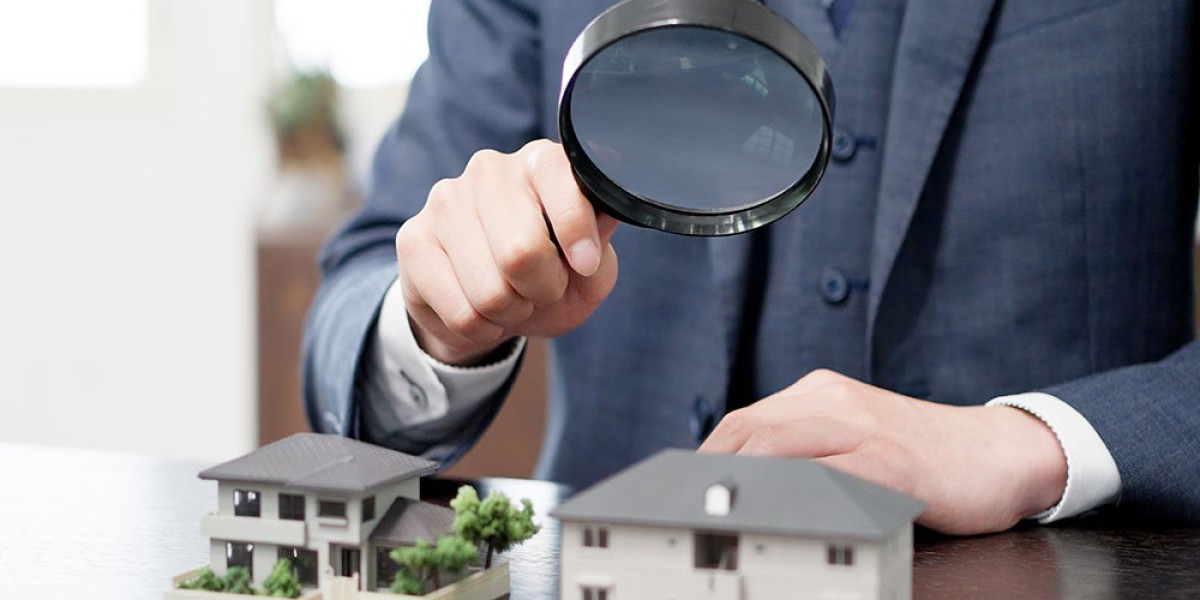

Buying, selling, or renting a property is one of the biggest financial decisions most people make. Whether it is a residential home, commercial building, or rental property, understanding its actual condition before making a commitment is essential. This is where property inspection plays a vital role. A professional property inspection helps identify hidden defects, safety hazards, maintenance issues, and structural problems that may not be visible during a regular property visit. It gives buyers confidence, helps sellers prepare their property for the market, and allows landlords to maintain their investments effectively.
What Is Property Inspection?
A property inspection is a detailed examination of a property's physical condition conducted by a qualified inspector. During the inspection, every accessible part of the property is carefully assessed, including the foundation, roof, plumbing, electrical system, heating and cooling equipment, walls, ceilings, flooring, windows, doors, and exterior features. After completing the inspection, the inspector prepares a comprehensive report that outlines the property's overall condition, identifies any existing problems, highlights safety concerns, and recommends necessary repairs or maintenance. This report enables buyers, sellers, investors, and landlords to make informed decisions based on accurate information rather than assumptions.
Why Is Property Inspection Important?
Property inspection is important because it protects your investment and helps you avoid unexpected expenses. For buyers, an inspection reveals hidden issues that could cost thousands of dollars to repair after purchase. It also provides an opportunity to negotiate the selling price or request repairs before finalizing the deal. Sellers benefit by identifying and fixing problems before listing their property, which can increase buyer confidence and reduce delays during negotiations. Landlords can use regular inspections to maintain rental properties, prevent costly repairs, and document the condition of the property before and after tenant occupancy.
Types of Property Inspection
There are several types of property inspections depending on the purpose of the evaluation. A home inspection is the most common and is usually performed before purchasing a residential property. A pre-purchase inspection helps buyers understand the property's condition before completing the transaction. Sellers often arrange a pre-listing inspection to identify and repair issues before putting the property on the market. Commercial property inspections are designed for office buildings, warehouses, shopping centers, and industrial properties, where larger and more complex systems require detailed evaluation. Rental property inspections are conducted before tenants move in, during tenancy, and after move-out to document property conditions and assess maintenance needs. New construction inspections ensure that newly built homes meet quality standards and building codes before occupancy.
What Does a Property Inspection Include?
A professional property inspection covers nearly every accessible component of a building. Inspectors carefully examine the roof for damaged shingles, leaks, and drainage problems while evaluating the foundation for cracks or signs of structural movement. They inspect the plumbing system by checking pipes, water pressure, faucets, drains, toilets, and water heaters for leaks or defects. The electrical system is assessed to ensure that wiring, outlets, switches, circuit breakers, and electrical panels are functioning safely. Heating, ventilation, and air conditioning systems are also tested to verify proper performance and efficiency. Inside the property, inspectors examine walls, ceilings, floors, windows, doors, staircases, and built-in fixtures for signs of damage or wear. They also inspect insulation, ventilation, smoke detectors, and carbon monoxide alarms to ensure the property meets basic safety standards.
Common Problems Found During Property Inspection
Property inspections often uncover issues that are not immediately visible to buyers or sellers. Roof leaks, damaged shingles, poor drainage, and deteriorating flashing are among the most common roofing problems. Plumbing inspections frequently reveal leaking pipes, corroded fittings, clogged drains, or faulty water heaters. Electrical issues may include outdated wiring, overloaded circuits, or unsafe electrical panels that pose fire hazards. Inspectors also identify foundation cracks, uneven flooring, moisture intrusion, mold growth, pest infestations such as termites, poor insulation, damaged windows, and malfunctioning HVAC systems. Discovering these issues early allows property owners to plan repairs before they become larger and more expensive problems.
Property Inspection Checklist
A complete property inspection checklist includes evaluating the property's exterior, interior, structural components, plumbing, electrical system, HVAC equipment, roofing, insulation, and safety features. Inspectors assess the condition of driveways, sidewalks, garages, patios, decks, gutters, and landscaping while ensuring that drainage systems direct water away from the foundation. Interior inspections focus on walls, ceilings, flooring, windows, doors, cabinets, and staircases. Plumbing fixtures, water heaters, electrical outlets, circuit breakers, smoke alarms, heating systems, cooling equipment, and ventilation systems are thoroughly tested to confirm they are operating safely and efficiently.
Property Inspection Cost
The cost of a property inspection varies depending on several factors, including the property's size, location, age, and type. Residential inspections generally cost less than commercial inspections because commercial buildings require more extensive evaluations. Although inspection fees represent an additional expense during the buying or selling process, they often save property owners thousands of dollars by identifying hidden defects before they become serious financial liabilities. Investing in a professional inspection is considered one of the smartest financial decisions in any real estate transaction.
Property Inspection vs. Home Appraisal
Many people confuse a property inspection with a home appraisal, but they serve different purposes. A property inspection evaluates the physical condition of a property by identifying defects, safety hazards, and maintenance concerns. In contrast, a home appraisal determines the property's market value based on its location, size, condition, and recent sales of comparable properties. While lenders typically require appraisals during mortgage approval, inspections are recommended to protect buyers from purchasing properties with costly hidden problems.
Tips for Buyers and Sellers
Buyers should attend the property inspection whenever possible, ask questions, review the inspector's report carefully, and use the findings during price negotiations if necessary. Sellers can improve their chances of a successful transaction by repairing obvious defects, cleaning the property, ensuring all utilities are functioning, and providing maintenance records to potential buyers. Preparing for an inspection demonstrates transparency and often results in smoother negotiations and faster property sales.
Conclusion
A property inspection is one of the most valuable steps in any real estate transaction. Whether you are purchasing your first home, selling an investment property, managing rental units, or investing in commercial real estate, a professional inspection provides the information needed to make confident decisions. By identifying structural defects, safety concerns, plumbing and electrical issues, roofing problems, and maintenance requirements before finalizing a transaction, a property inspection helps protect your investment and minimizes unexpected repair costs. Ultimately, spending a small amount on a professional inspection today can save significant time, money, and stress in the future, making it an essential part of responsible property ownership and real estate investing.






