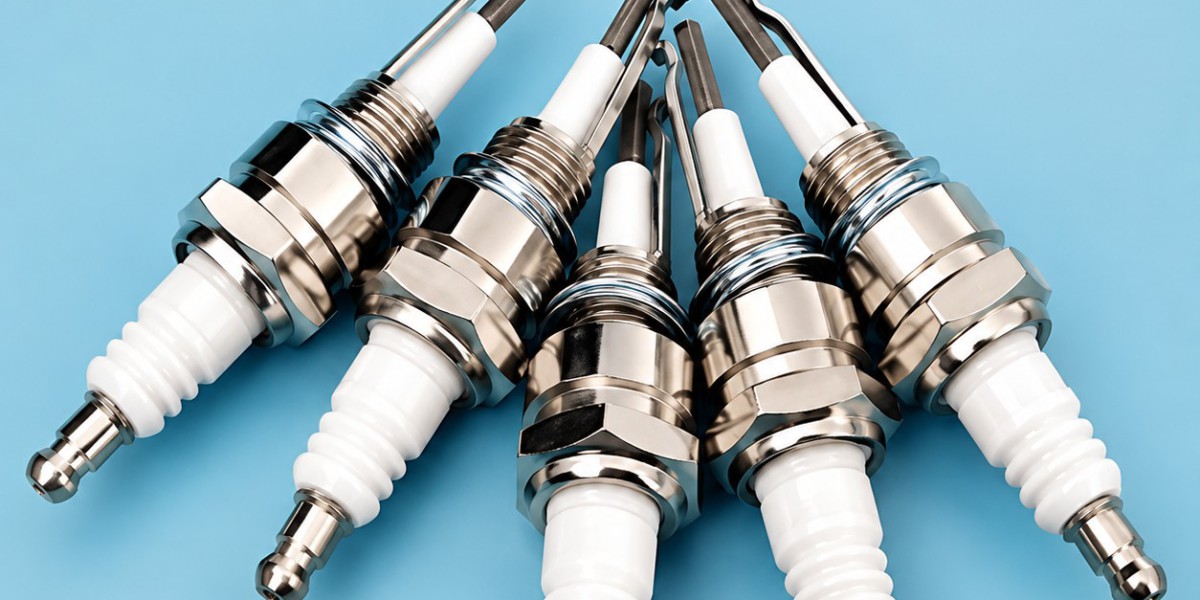

Alumina plug is an advanced ceramic component widely used in industrial environments where high temperature resistance, electrical insulation, and chemical stability are required. It plays a critical role in sealing systems, furnace assemblies, and precision equipment where metal parts cannot withstand extreme conditions. Due to its strong mechanical structure and thermal stability, alumina plug has become an essential material in modern engineering applications. Industries such as metallurgy, electronics, and chemical processing rely on it for safe and efficient operations. Its ability to maintain performance under harsh conditions makes it a preferred choice for engineers and manufacturers seeking reliability and long service life.
What is an Alumina Plug
An alumina plug is a specially designed component made primarily from aluminum oxide (Al₂O₃), a ceramic material known for its hardness and resistance properties. It is shaped to fit into mechanical or thermal systems where sealing or insulation is required. The plug prevents leakage of gases, liquids, or heat while maintaining structural stability. Unlike metal plugs, alumina plugs do not corrode, melt easily, or degrade under chemical exposure. They are commonly used in laboratory equipment, industrial furnaces, and high-voltage electrical systems. Their design can vary depending on application needs, but the core function remains consistent—providing a durable and stable sealing solution in demanding environments.
Composition and Materials
The primary material used in alumina plugs is high-purity alumina (Al₂O₃), often ranging between 85% to 99.9% purity depending on application requirements. Higher purity levels offer better thermal resistance and electrical insulation. Some alumina plugs may also include small additives such as silica or magnesium oxide to improve strength and sintering behavior during manufacturing. The dense crystalline structure of alumina gives the plug its exceptional hardness and wear resistance. This composition ensures that the plug can operate in extreme environments without deformation or chemical reaction. The material also provides excellent dielectric strength, making it suitable for electrical and electronic systems where insulation is critical.
Key Properties of Alumina Plug
Alumina plugs are known for their outstanding physical and chemical properties. They can withstand extremely high temperatures, often exceeding 1500°C without losing structural integrity. They also exhibit excellent electrical insulation, making them ideal for high-voltage applications. Another important property is chemical inertness, meaning they do not react with acids, alkalis, or corrosive gases. Their hardness and wear resistance ensure long operational life even in abrasive conditions. Additionally, alumina plugs have low thermal expansion, which prevents cracking under rapid temperature changes. These combined properties make them highly reliable in industries that demand consistent performance under stress.
Manufacturing Process
The manufacturing of alumina plugs involves several precise steps to ensure quality and durability. First, high-purity alumina powder is prepared and mixed with binding agents to form a uniform material. This mixture is then shaped using techniques such as dry pressing, isostatic pressing, or extrusion depending on the desired design. After shaping, the plug undergoes a high-temperature sintering process in industrial kilns, where particles fuse together to form a dense ceramic structure. Post-sintering processes may include grinding or polishing to achieve precise dimensions and smooth surfaces. Quality testing is conducted to ensure mechanical strength, thermal stability, and dimensional accuracy before the product is approved for industrial use.
Industrial Applications
Alumina plugs are used in a wide range of industries due to their versatility and durability. In metallurgy, they are used in furnaces and molten metal handling systems where heat resistance is essential. In the electronics industry, they serve as insulating components in high-voltage devices and circuit systems. Chemical processing plants use alumina plugs to prevent leakage in reactors and pipelines exposed to corrosive substances. They are also found in laboratory equipment where precise sealing and contamination prevention are required. Additionally, aerospace and automotive industries utilize alumina plugs in high-temperature sensors and engine components to ensure stable performance under extreme conditions.
Advantages of Alumina Plug
One of the main advantages of alumina plugs is their ability to withstand extremely high temperatures without deformation or failure. They also offer superior electrical insulation compared to many traditional materials. Their resistance to chemical corrosion makes them suitable for harsh industrial environments. Another advantage is their long service life, which reduces maintenance and replacement costs. Alumina plugs also maintain dimensional stability under thermal stress, ensuring consistent performance. Their lightweight nature compared to metal alternatives further enhances their usability in precision systems. Overall, these advantages make alumina plugs a cost-effective and reliable solution for demanding applications.
Limitations of Alumina Plug
Despite their many benefits, alumina plugs do have some limitations. The most significant drawback is their brittleness, which makes them susceptible to cracking or breaking under mechanical shock or impact. They are also more expensive to manufacture compared to basic metal components due to complex processing requirements. Additionally, machining alumina after sintering is difficult, requiring specialized tools and techniques. In some applications where flexibility or impact resistance is required, alumina plugs may not be suitable. These limitations mean that careful consideration must be given when selecting alumina plugs for specific industrial uses.
Maintenance and Handling
Proper handling and maintenance of alumina plugs are essential to ensure long-term performance. Since the material is brittle, it should be handled carefully to avoid mechanical damage during installation or transportation. Cleaning should be done using non-abrasive methods to prevent surface scratches. In industrial systems, regular inspection is recommended to check for cracks or wear, especially in high-stress environments. It is also important to ensure correct fitting during installation to avoid uneven pressure distribution. By following proper maintenance practices, the lifespan of alumina plugs can be significantly extended, ensuring reliable performance in critical applications.
Future Trends and Developments
The future of alumina plug technology is focused on improving strength, durability, and application versatility. Researchers are developing advanced ceramic composites that combine alumina with other materials to reduce brittleness while maintaining high thermal resistance. Nanotechnology is also being explored to enhance material density and performance at microscopic levels. In addition, precision manufacturing techniques such as 3D ceramic printing are expected to revolutionize production methods, allowing for more complex and customized designs. As industries continue to demand higher efficiency and reliability, alumina plugs are expected to evolve further and remain a key component in advanced engineering systems.






