
Digital printing on fabric has transformed the way textiles are designed and manufactured. Instead of relying on traditional printing techniques that require screens, rollers, or plates, digital printing uses advanced inkjet technology to apply designs directly onto fabric. This innovation allows manufacturers and designers to produce detailed patterns, vibrant colors, and customized prints with greater speed and precision. As the demand for personalized products and shorter production cycles continues to grow, digital textile printing has become an essential solution across many industries.
Today, digital printing on fabric is used in fashion, home furnishings, sportswear, advertising, and interior design. It supports everything from one-off custom orders to medium-scale commercial production while maintaining excellent print quality. Businesses also benefit from lower setup costs, faster turnaround times, and greater design flexibility. Understanding the process, available printing methods, and practical advantages helps businesses and consumers make informed decisions when choosing textile printing solutions.
What Is Digital Printing on Fabric?
Digital printing on fabric is a modern textile printing process in which digital artwork is printed directly onto fabric using specialized textile printers. The printer receives a digital image from a computer and precisely sprays textile inks onto the fabric surface without requiring traditional printing screens.
Unlike conventional textile printing, where every color requires a separate screen, digital printing allows unlimited colors and highly detailed artwork in a single production process. This makes it ideal for complex designs, photographic images, and customized products.
Depending on the fabric and ink type, the printed textile may undergo additional finishing treatments such as steaming, washing, drying, or heat fixation to improve durability and color fastness.
How Digital Printing on Fabric Works
Designing the Artwork
The process begins with a digital design created using professional graphic design software. Designers prepare the artwork at high resolution while adjusting colors and dimensions to match the final product.
Accurate file preparation plays an important role in achieving sharp images and consistent color reproduction.
Selecting the Right Fabric
Fabric selection directly influences print quality. Common fabrics suitable for digital textile printing include:
Cotton
Polyester
Silk
Linen
Rayon
Canvas
Cotton-polyester blends
Each material absorbs ink differently, so selecting the appropriate fabric helps produce better results.
Printing Process
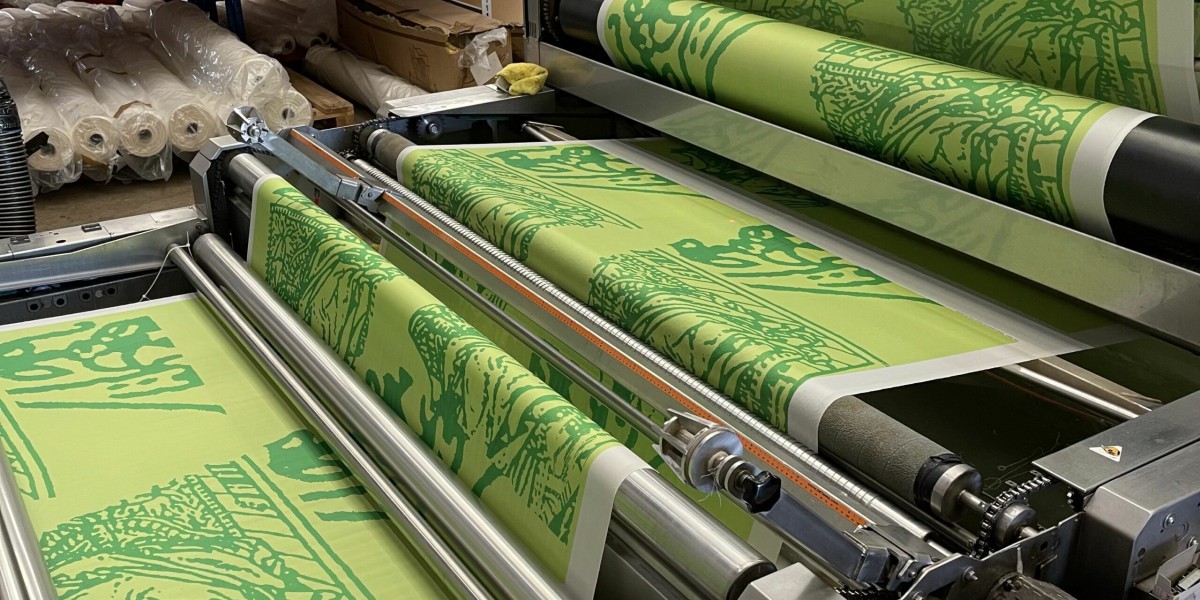
The prepared fabric is loaded into a digital textile printer. High-precision printheads apply tiny droplets of textile ink according to the digital design. Modern printers produce millions of color combinations with remarkable accuracy.
Finishing and Quality Control
After printing, many fabrics require finishing treatments that may include:
Heat curing
Steaming
Washing
Drying
Final quality inspection
These processes ensure the colors remain vibrant and resistant to washing and everyday use.
Types of Digital Printing on Fabric
Direct-to-Fabric Printing
This method prints directly onto the fabric surface. It is commonly used for natural fibers and produces soft, breathable fabrics with high-quality image reproduction.
Dye Sublimation Printing
Dye sublimation works mainly with polyester fabrics. The design is first printed onto transfer paper before heat permanently bonds the ink into the fabric fibers. This method creates durable, fade-resistant prints.
Reactive Printing
Reactive inks chemically bond with natural fibers such as cotton and linen. This produces vibrant colors, excellent wash durability, and a soft fabric feel.
Pigment Printing
Pigment printing is suitable for many fabric types and generally requires fewer processing steps. It has gained popularity because it consumes less water while maintaining reliable print quality.
Benefits of Digital Printing on Fabric
Excellent Print Quality
Digital printing reproduces fine details, smooth color gradients, and complex patterns with outstanding clarity. It is particularly effective for photographic images and artistic designs.
Greater Design Flexibility
Since there are no screens to prepare, designers can create unlimited color combinations and modify designs without increasing production costs.
Faster Production
Digital printing significantly reduces preparation time because artwork is sent directly from the computer to the printer. This enables businesses to complete orders more quickly.
Cost-Effective for Small Orders
Traditional printing methods involve substantial setup costs, making them less suitable for small production runs. Digital printing eliminates these setup expenses, making custom orders more affordable.
Reduced Waste
The printer applies ink only where needed, reducing excess ink consumption and minimizing fabric waste throughout the production process.
Easy Customization
Businesses can personalize clothing, banners, upholstery, promotional products, and accessories with unique graphics, names, logos, and patterns.
Applications of Digital Printing on Fabric
Fashion Industry
Fashion brands use digital textile printing to produce dresses, shirts, scarves, jackets, and seasonal collections featuring distinctive prints and vibrant colors.
Home Furnishings
Curtains, cushion covers, bedding, upholstery fabrics, table linens, and decorative textiles are commonly produced using digital printing technology.
Sportswear
Sports uniforms require durable graphics, sponsor logos, and personalized player information. Digital printing produces lightweight, flexible prints suitable for athletic apparel.
Promotional Products
Companies create customized banners, exhibition displays, branded fabrics, tote bags, and corporate merchandise using digital textile printing.
Interior Design
Hotels, restaurants, retail stores, and offices use digitally printed fabrics for decorative wall coverings, furniture upholstery, and customized interior projects.
Practical Benefits and Key Insights
Digital printing offers practical advantages that support both creativity and efficient manufacturing.
Some of the most valuable benefits include:
Faster product development
Short production lead times
Affordable sampling
No minimum order requirements for many projects
Excellent customization opportunities
High-resolution photographic printing
Lower inventory through print-on-demand production
Reduced production waste
Consistent print quality across multiple orders
These advantages allow businesses to respond quickly to changing customer preferences while maintaining high production standards.
Common Challenges and Considerations
Although digital printing provides numerous advantages, businesses should consider several important factors.
Initial Equipment Investment
Professional textile printers require a significant financial investment, making careful planning essential before purchasing equipment.
Color Management
Accurate color reproduction depends on properly calibrated monitors, printer profiles, and experienced operators.
Fabric Compatibility
Different fabrics require different ink systems and finishing methods. Selecting incompatible materials may reduce print quality or durability.
Printer Maintenance
Routine maintenance is necessary to keep printheads clean and ensure reliable long-term performance.
Large-Scale Manufacturing
Digital printing excels in custom and medium-volume production. For extremely high-volume manufacturing, traditional rotary screen printing may remain more economical.
Frequently Asked Questions
1. What is digital printing on fabric?
Digital printing on fabric is a textile printing process that transfers digital artwork directly onto fabric using specialized inkjet printers without requiring traditional printing screens.
2. Which fabrics are suitable for digital printing?
Cotton, polyester, silk, linen, rayon, canvas, and many blended fabrics can all be digitally printed using appropriate inks and printing methods.
3. Is digital printing durable?
Yes. Proper finishing processes help digitally printed fabrics maintain vibrant colors, resist fading, and withstand repeated washing.
4. Is digital printing environmentally friendly?
Many digital printing methods consume less water and produce less waste than conventional textile printing processes, making them a more resource-efficient option.
5. Why is digital printing popular for custom products?
Digital printing allows every item to feature a unique design without additional setup costs, making it ideal for personalized clothing, home décor, and promotional products.
Conclusion
Digital printing on fabric has become a vital technology in modern textile manufacturing. It combines speed, flexibility, precision, and outstanding print quality while simplifying the production process. Whether creating customized apparel, decorative home textiles, promotional products, or commercial fabric collections, digital printing offers businesses an efficient way to produce high-quality results with minimal waste.
As technology continues to advance, digital textile printing will play an even greater role in meeting the growing demand for personalized products, shorter production cycles, and sustainable manufacturing. By selecting the appropriate fabrics, printing methods, and finishing techniques, businesses can maximize quality, improve efficiency, and deliver products that meet today's high consumer expectations.