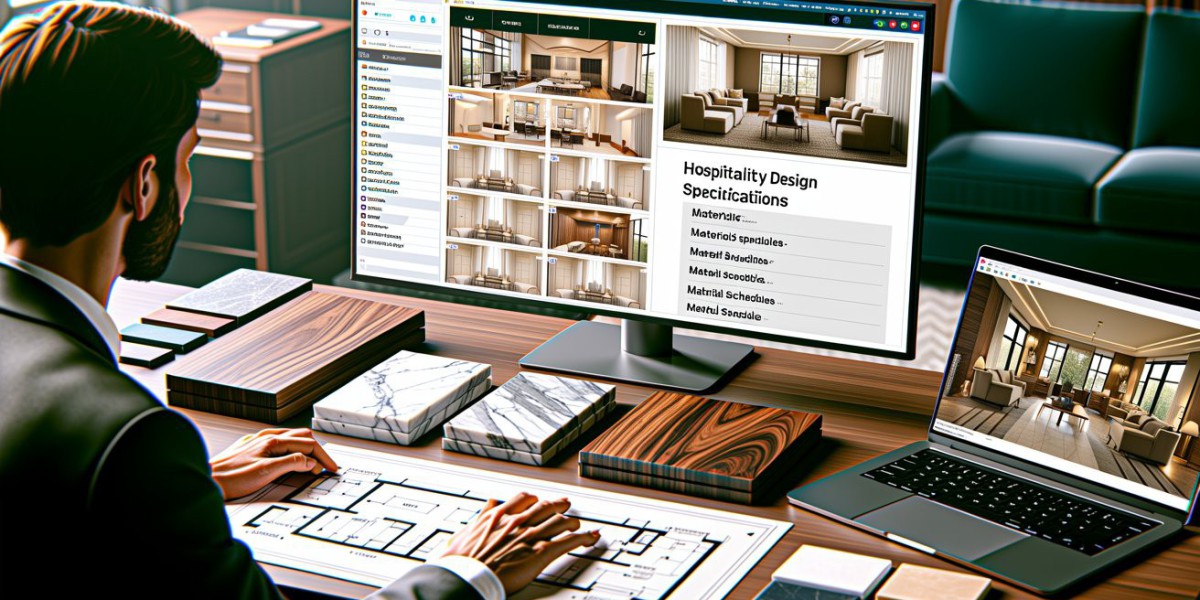

Creating memorable hospitality spaces takes more than creativity. Behind every welcoming hotel lobby, luxury guest room, stylish restaurant, or modern resort is a carefully coordinated process that keeps thousands of design decisions organized. From selecting furniture and finishes to tracking budgets and procurement, every detail must be documented accurately to ensure the final space reflects the original design vision.
Hospitality projects are often larger and more complex than other interior design projects. Multiple stakeholders, tight deadlines, custom products, and frequent revisions make organization essential. Managing this information through spreadsheets, emails, and paper documents can quickly become overwhelming, leading to costly mistakes and project delays.
This is why specification software has become an important part of modern hospitality design. By centralizing project information and simplifying documentation, it helps design professionals work more efficiently while maintaining consistency from concept to installation.
Understanding Specification Software
Specification software is a digital solution that helps design professionals organize, manage, and share product information throughout a project. Instead of storing details across multiple files, the software keeps everything in one structured platform.
A typical specification includes:
Product name
Manufacturer
Model number
Dimensions
Material and finish
Color options
Quantity
Vendor details
Pricing
Lead times
Installation notes
Warranty information
Having all of this information in one place reduces confusion and gives every project stakeholder access to the latest approved details.
Why Hospitality Projects Need Better Documentation
Hospitality environments require careful planning because every space must balance functionality, durability, and guest experience.
A single hotel project may include:
Guest room furniture
Lobby seating
Lighting fixtures
Decorative accessories
Window treatments
Bathroom fixtures
Restaurant furnishings
Outdoor furniture
Artwork
Custom millwork
Each product must be selected, approved, ordered, delivered, and installed correctly. Missing or outdated information can result in incorrect purchases, delayed installations, and unnecessary expenses.
Specification software helps eliminate these risks by providing one reliable source for project documentation.
Centralizing Product Information
One of the biggest advantages of specification software is centralization.
Instead of searching through emails, spreadsheets, and shared folders, project teams can quickly access all specification data from a single location.
Centralized documentation improves:
Information accuracy
Team collaboration
Product tracking
Procurement planning
Project visibility
When everyone works from the same system, there is less uncertainty about which documents are current.
Improving FF&E Management
Furniture, Fixtures, and Equipment (FF&E) management is one of the most demanding parts of hospitality design.
Hotels, resorts, and restaurants often require hundreds of products across multiple rooms and public spaces. Keeping these selections organized manually can become time-consuming.
Specification software allows teams to:
Organize products by room
Track quantities
Record client approvals
Monitor budgets
Generate specification reports
Manage vendor information
Track procurement progress
This structured approach reduces administrative work while helping teams stay organized throughout the project.
Simplifying Team Collaboration
Hospitality projects involve many professionals working together.
Interior designers collaborate with architects, procurement specialists, contractors, consultants, suppliers, and clients. Without organized documentation, communication gaps can easily develop.
Specification software supports collaboration by allowing users to:
Access updated information
Share project documents
Track revisions
Review approvals
Coordinate procurement
Monitor project progress
Everyone works from the same information, making decision-making faster and reducing unnecessary back-and-forth communication.
Managing Design Revisions
Changes are a natural part of hospitality design.
Clients may request different finishes, manufacturers may discontinue products, or budgets may require alternative selections. Managing these revisions manually often creates confusion.
Specification software records every update by documenting:
Revision dates
Product changes
Approval history
Version numbers
Change summaries
This clear revision history helps ensure that procurement teams and installers always work from the latest approved specifications.
Supporting Budget Control
Budget management is essential for every hospitality project.
As product selections evolve, costs can change quickly. Without accurate documentation, it becomes difficult to monitor spending or identify budget concerns.
Specification software helps teams:
Compare product costs
Track pricing updates
Monitor project budgets
Evaluate alternative products
Generate cost reports
Real-time financial visibility allows project teams to make informed decisions before purchases are finalized.
Streamlining Procurement
Procurement is often one of the most critical stages of hospitality projects.
Ordering mistakes can affect installation schedules and delay project completion. Specification software helps procurement teams organize purchasing information by keeping product details accurate and easy to access.
It supports procurement by tracking:
Approved products
Vendor contacts
Purchase quantities
Delivery schedules
Lead times
Order status
This organized workflow reduces delays while improving purchasing accuracy.
Creating Better Client Presentations
Hospitality clients often review hundreds of product selections before giving final approval.
Specification software helps create professional presentations that include:
Product images
Descriptions
Finish selections
Pricing information
Room locations
Approval status
Presenting information in a clear and organized format allows clients to make decisions more confidently and reduces confusion during the approval process.
Improving Installation Coordination
The final installation phase requires careful coordination between deliveries and construction schedules.
Specification software supports installers by providing organized product information, including room locations, quantities, installation notes, and delivery tracking.
This helps reduce installation errors and ensures that products are installed according to the approved design.
Better coordination also minimizes last-minute adjustments that can increase costs and delay project completion.
Supporting Brand Consistency
Many hospitality businesses operate multiple locations that must maintain a consistent appearance.
Hotels, restaurant chains, and resorts often reuse furniture packages, finish selections, and design standards across different properties.
Specification software allows firms to build reusable product libraries that make future projects faster while maintaining consistent brand identity.
This saves time without sacrificing design quality.
Preparing for Future Projects
Every completed hospitality project generates valuable information that can benefit future work.
Well-organized specification records make it easier to:
Reuse approved products
Compare previous budgets
Reference successful design solutions
Improve procurement processes
Refine documentation standards
Over time, these records become an important resource that supports continuous improvement across projects.
Final Thoughts
Hospitality design depends on careful coordination as much as creative vision. While guests experience beautifully designed spaces, successful projects are built on accurate documentation, organized workflows, and effective collaboration behind the scenes.
Specification software simplifies this process by centralizing project information, improving FF&E management, supporting procurement, tracking revisions, and helping teams communicate more effectively. It reduces administrative tasks, minimizes costly mistakes, and allows design professionals to focus on creating exceptional guest experiences.
As hospitality projects continue to become more complex, adopting a structured specification system is no longer just an operational improvement—it is a practical investment that helps firms deliver projects with greater accuracy, efficiency, and confidence.