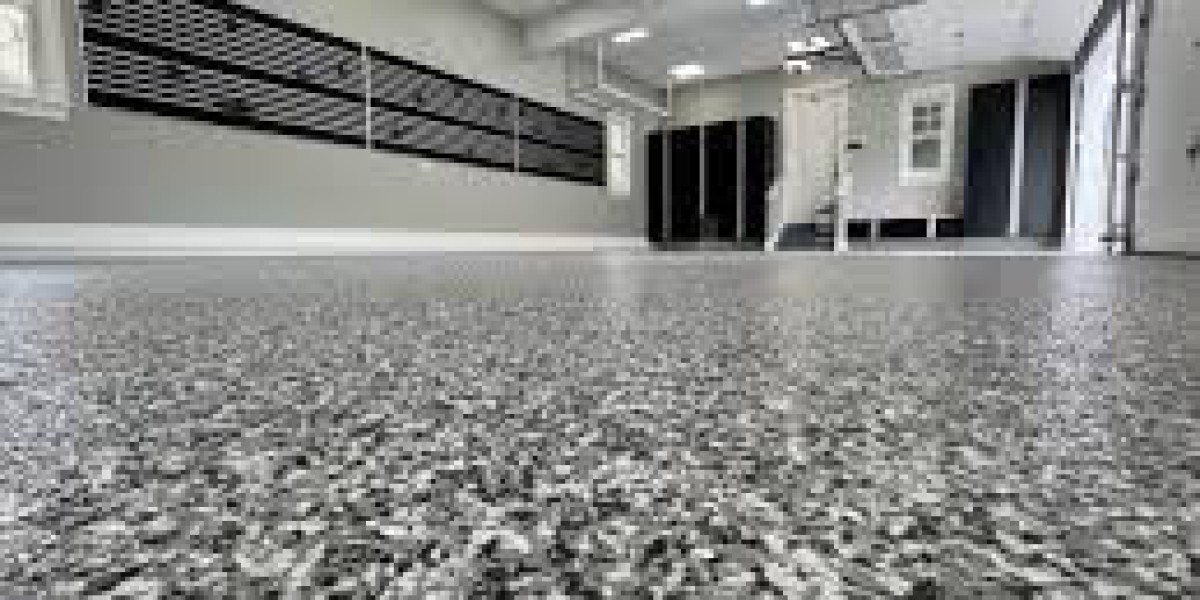

Basement epoxy flooring has become one of the most reliable flooring solutions for homeowners who want a durable, moisture-resistant, and attractive surface. Whether you're converting your basement into a living space, home gym, workshop, entertainment room, or storage area, epoxy flooring provides exceptional performance while enhancing the overall appearance of the space.
Unlike traditional concrete floors that can crack, stain, collect dust, and absorb moisture, epoxy creates a seamless protective coating that resists wear, chemicals, water, and heavy foot traffic. It is one of the most cost-effective long-term investments for any basement renovation.
In this comprehensive guide, you'll learn everything about basement epoxy flooring, including its benefits, installation process, types, maintenance, costs, and why it's an excellent choice for modern homes.
What Is Basement Epoxy Flooring?
Basement epoxy flooring is a resin-based floor coating applied over prepared concrete surfaces. The coating consists of epoxy resin and a hardener that chemically react to form an extremely durable, seamless, and non-porous surface.
Once cured, epoxy becomes significantly stronger than untreated concrete and provides long-lasting protection against:
- Moisture
- Stains
- Oil spills
- Chemicals
- Abrasion
- Heavy furniture
- Impact damage
Because basements are naturally more susceptible to humidity and moisture, epoxy flooring is one of the best flooring systems available.
Why Choose Epoxy Flooring for Your Basement?
Many homeowners struggle with common basement problems such as:
- Damp concrete
- Dust accumulation
- Water stains
- Mold growth
- Surface cracks
- Peeling paint
- Cold unfinished floors
Epoxy flooring solves many of these issues while giving the basement a clean, polished, and professional appearance.
Some homeowners even transform unfinished basements into luxury living areas using decorative epoxy finishes.
Benefits of Basement Epoxy Flooring
Superior Moisture Resistance
Basements often experience higher humidity than other parts of the home.
Epoxy creates a waterproof barrier that helps prevent moisture from penetrating the concrete surface, reducing the likelihood of mold, mildew, and water damage.
Exceptional Durability
Epoxy flooring is engineered to withstand years of use.
It resists:
- Heavy furniture
- Exercise equipment
- Storage shelves
- Foot traffic
- Dropped tools
- Moving boxes
Properly installed epoxy floors can last 10–20 years or more with routine maintenance.
Easy Maintenance
One of the biggest advantages of epoxy flooring is its low maintenance.
Cleaning usually requires:
- Sweeping
- Vacuuming
- Damp mopping
- Mild detergent
The seamless surface prevents dirt from collecting in cracks or grout lines.
Attractive Appearance
Modern epoxy flooring is available in numerous decorative finishes, including:
- Solid colors
- Metallic epoxy
- Decorative flake systems
- Quartz epoxy
- High-gloss finishes
- Satin finishes
Homeowners can customize the floor to match virtually any basement design.
Chemical Resistance
Epoxy resists many household chemicals, including:
- Oil
- Paint
- Cleaning products
- Gasoline
- Grease
- Solvents
This makes it perfect for workshop or utility basements.
Increased Home Value
A professionally installed epoxy floor improves both functionality and visual appeal.
Potential buyers appreciate finished basements that require minimal maintenance.
Where Can Basement Epoxy Flooring Be Used?
Epoxy works well in nearly every type of basement, including:
- Finished basements
- Home theaters
- Laundry rooms
- Home gyms
- Workshops
- Storage rooms
- Utility rooms
- Game rooms
- Wine cellars
- Guest suites
Types of Basement Epoxy Flooring
Solid Color Epoxy
Solid color epoxy creates a sleek, uniform appearance.
Popular colors include:
- Gray
- White
- Beige
- Black
- Tan
- Blue
This option is ideal for modern, minimalist interiors.
Decorative Flake Epoxy
Decorative vinyl flakes are broadcast into the epoxy coating to create texture and visual interest.
Benefits include:
- Better slip resistance
- Conceals dirt
- Hides imperfections
- Highly decorative
This is one of the most popular residential epoxy systems.
Metallic Epoxy Flooring
Metallic epoxy creates a luxurious, three-dimensional appearance with swirling metallic pigments.
It resembles:
- Marble
- Granite
- Liquid metal
- Flowing water
Metallic floors are perfect for entertainment areas and upscale basement renovations.
Quartz Epoxy Flooring
Quartz epoxy incorporates colored quartz granules into the coating.
Advantages include:
- Superior durability
- Slip resistance
- Decorative finish
- High impact resistance
Basement Epoxy Installation Process
Professional installation ensures maximum durability and longevity.
Step 1: Concrete Inspection
The installer checks for:
- Moisture problems
- Cracks
- Surface damage
- Oil contamination
Any issues are repaired before coating begins.
Step 2: Surface Preparation
Concrete preparation is the most critical step.
Professionals typically use diamond grinding or shot blasting to remove contaminants and create the proper surface profile.
Step 3: Crack Repair
Cracks and damaged areas are repaired using specialized epoxy fillers.
This creates a smooth, even foundation.
Step 4: Primer Application
A primer improves adhesion while reducing air bubbles in the finished coating.
Step 5: Epoxy Coating
The main epoxy layer is applied evenly across the floor.
Depending on the chosen system, decorative flakes or metallic pigments may be added.
Step 6: Protective Topcoat
A durable polyurethane or polyaspartic topcoat protects against:
- UV exposure
- Scratches
- Chemicals
- Wear
Step 7: Curing
Most epoxy systems require:
- Light foot traffic: 24 hours
- Furniture placement: 48–72 hours
- Full cure: Up to 7 days
How Long Does Basement Epoxy Flooring Last?
The lifespan depends on:
- Surface preparation
- Installation quality
- Product quality
- Traffic levels
- Maintenance
A professionally installed basement epoxy floor typically lasts between 10 and 20 years, with premium systems often lasting even longer.
Basement Epoxy Flooring Maintenance Tips
Maintaining epoxy flooring is simple.
Recommended practices include:
- Sweep regularly
- Mop with a pH-neutral cleaner
- Clean spills promptly
- Avoid abrasive scrub pads
- Use protective pads under heavy furniture
- Avoid dragging sharp objects across the floor
Routine care helps preserve the floor's appearance and durability.
Common Basement Epoxy Flooring Colors
Popular color options include:
- Light Gray
- Dark Gray
- Charcoal
- White
- Sand Beige
- Black
- Slate Blue
- Tan
- Silver Metallic
- Marble Metallic
These colors complement a wide range of basement styles and décor.
Is Basement Epoxy Flooring Waterproof?
Epoxy flooring is highly water-resistant and forms a seamless barrier over concrete. However, it is not a substitute for proper waterproofing if your basement has active leaks or hydrostatic pressure. Before installation, any moisture issues should be resolved to ensure the coating performs as intended.
Professional Installation vs. DIY
While DIY epoxy kits are available, professional installation generally delivers better results.
Professional installers provide:
- Proper moisture testing
- Industrial-grade surface preparation
- High-performance materials
- Uniform application
- Longer-lasting finishes
- Manufacturer-backed warranties
For most homeowners, professional installation offers greater durability and value over time.
Why Basement Epoxy Flooring Is Worth the Investment
Compared to bare concrete, epoxy flooring offers a combination of durability, style, and easy maintenance that few other flooring systems can match. Its seamless finish helps protect the underlying concrete, reduces dust, resists stains, and creates a cleaner, brighter basement environment.
Whether you're creating a comfortable family room, a productive home office, a workout space, or a functional storage area, epoxy flooring delivers reliable performance for years to come.
Final Thoughts
Basement epoxy flooring is one of the smartest upgrades for homeowners seeking a durable, attractive, and low-maintenance flooring solution. With outstanding resistance to moisture, chemicals, stains, and everyday wear, it transforms unfinished concrete into a polished, long-lasting surface suitable for almost any basement use.
By choosing high-quality materials and professional installation, you can enjoy a floor that enhances both the appearance and functionality of your basement while adding long-term value to your home.






