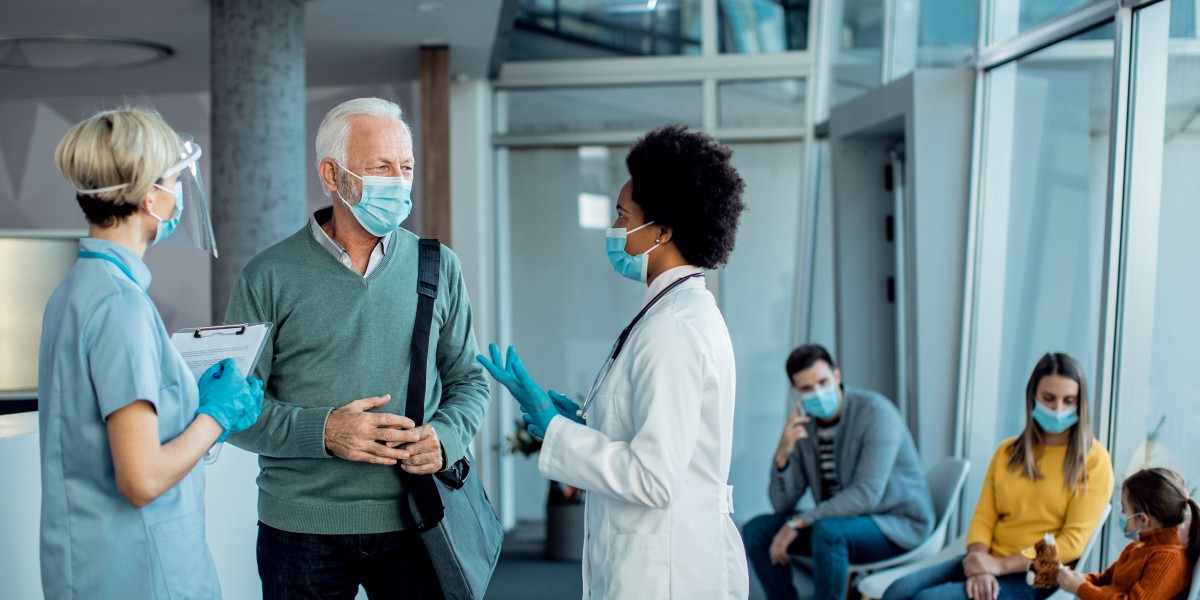

Preventing infections inside healthcare facilities requires more than a single solution. Hospitals must combine proven practices, trained teams, and advanced technologies to create safer environments for patients and healthcare workers. Effective hospital infection prevention strategies focus on reducing the spread of harmful microorganisms while improving the overall quality of care.
Healthcare-associated infections (HAIs) remain one of the biggest challenges faced by hospitals worldwide. Patients with weakened immune systems, those undergoing surgery, and individuals receiving intensive care are often more vulnerable to infections. This is why healthcare facilities continue investing in comprehensive prevention programs that combine everyday hygiene practices with innovative solutions such as UV disinfection technology.
Why Infection Prevention Matters in Hospitals
Hospitals are unique environments because they bring together patients with different health conditions, medical equipment, and healthcare professionals in close contact.
Without proper infection prevention measures, bacteria, viruses, and fungi can spread through:
Contaminated surfaces
Medical equipment
Direct contact
Poor hand hygiene
Environmental contamination
Effective infection prevention reduces these risks and helps hospitals provide safer care while improving patient outcomes.
Key Hospital Infection Prevention Strategies
1. Strong Hand Hygiene Practices
Hand hygiene remains one of the most important steps in preventing infection transmission.
Healthcare workers follow strict hand hygiene protocols before and after interacting with patients, handling medical equipment, or performing procedures.
Hospitals support these practices by providing accessible hand sanitizing stations, staff training, and regular compliance monitoring.
2. Proper Environmental Cleaning
A clean healthcare environment plays a major role in infection prevention.
Environmental services teams are responsible for cleaning and disinfecting:
Patient rooms
Operating rooms
Waiting areas
Medical equipment
High-touch surfaces
Regular cleaning removes visible contamination and reduces the number of microorganisms present in patient care areas.
However, because hospitals are complex environments, additional technologies can help strengthen these cleaning efforts.
3. UV Disinfection Technology
Many healthcare facilities are now using UV disinfection systems as part of their infection prevention programs.
UV technology works by using ultraviolet light to help inactivate microorganisms on exposed surfaces after manual cleaning has been completed.
This provides an additional layer of protection by helping address pathogens that may remain after routine cleaning.
Rather than replacing environmental services teams, UV disinfection supports their work by improving the consistency of room disinfection.
4. Healthcare Worker Training
Successful infection prevention depends on well-trained healthcare teams.
Hospitals regularly educate staff about:
Proper hygiene procedures
Personal protective equipment (PPE)
Cleaning protocols
Isolation practices
Infection control guidelines
Continuous training ensures that everyone understands their role in maintaining a safer healthcare environment.
5. Isolation and Precaution Measures
Some patients require additional precautions to prevent infection transmission.
Hospitals may use isolation rooms and specialized procedures for patients with contagious conditions.
These measures help protect other patients, visitors, and healthcare workers from unnecessary exposure.
6. Safe Medical Equipment Handling
Medical equipment must be properly cleaned and disinfected between uses.
Items such as monitoring devices, surgical tools, and patient care equipment can become sources of contamination if proper procedures are not followed.
Strict equipment cleaning protocols help reduce infection risks throughout healthcare facilities.
7. Monitoring and Continuous Improvement
Effective infection prevention requires ongoing evaluation.
Hospitals monitor infection rates, review cleaning procedures, and identify areas where improvements can be made.
By continuously analyzing performance, healthcare organizations can strengthen their prevention programs over time.
The Importance of a Layered Approach
The most successful infection prevention programs do not rely on a single method.
Instead, hospitals combine multiple strategies, including:
Hand hygiene
Environmental cleaning
Staff education
Equipment disinfection
Isolation precautions
UV disinfection technology
Infection monitoring
Each layer provides additional protection and helps reduce opportunities for harmful microorganisms to spread.
How UV Technology Supports Modern Infection Prevention
As hospitals face increasing demands for better safety standards, technology has become an important part of infection control.
UV disinfection systems provide automated support after manual cleaning by helping reduce microorganisms on exposed surfaces. This makes them especially valuable in areas where infection prevention is critical, such as patient rooms, ICUs, and operating rooms.
How Xenex Helps Hospitals Strengthen Infection Prevention
Xenex develops advanced UV disinfection solutions designed specifically for healthcare environments.
Its technology helps hospitals enhance existing cleaning protocols by providing automated UV disinfection after routine manual cleaning. This supports environmental services teams and strengthens infection prevention programs without disrupting daily operations.
By helping create cleaner patient environments, Xenex supports healthcare facilities in their commitment to safer care.
Conclusion
Effective hospital infection prevention requires a combination of consistent practices, trained professionals, and advanced technology.
From hand hygiene and environmental cleaning to UV disinfection and continuous monitoring, every strategy plays an important role in reducing infection risks.
As healthcare continues evolving, hospitals are adopting smarter solutions that complement traditional methods. UV disinfection technology is becoming an important part of this approach, helping facilities create cleaner environments and support better patient safety.
Short Summary
Hospital infection prevention strategies combine hygiene practices, environmental cleaning, staff education, equipment disinfection, and advanced technologies such as UV disinfection. These layered approaches help reduce healthcare-associated infections and create safer environments for patients and healthcare workers. Xenex supports hospitals by providing UV disinfection solutions that strengthen existing infection prevention programs.
Frequently Asked Questions
1. What are the most effective hospital infection prevention strategies?
The most effective strategies include proper hand hygiene, environmental cleaning, staff training, equipment disinfection, isolation precautions, and advanced technologies such as UV disinfection.
2. Why is environmental cleaning important in infection prevention?
Environmental cleaning helps remove harmful microorganisms from patient care areas and reduces opportunities for infections to spread.
3. How does UV disinfection support hospital infection prevention?
UV disinfection adds an extra layer of protection by helping reduce microorganisms on exposed surfaces after manual cleaning has been completed.
4. Can technology replace traditional infection prevention methods?
No. Technologies like UV disinfection are designed to complement traditional practices such as cleaning, hand hygiene, and staff training.
5. How does Xenex help hospitals prevent infections?
Xenex provides advanced UV disinfection solutions that integrate with hospital cleaning workflows to support stronger infection prevention programs and safer healthcare environments.






