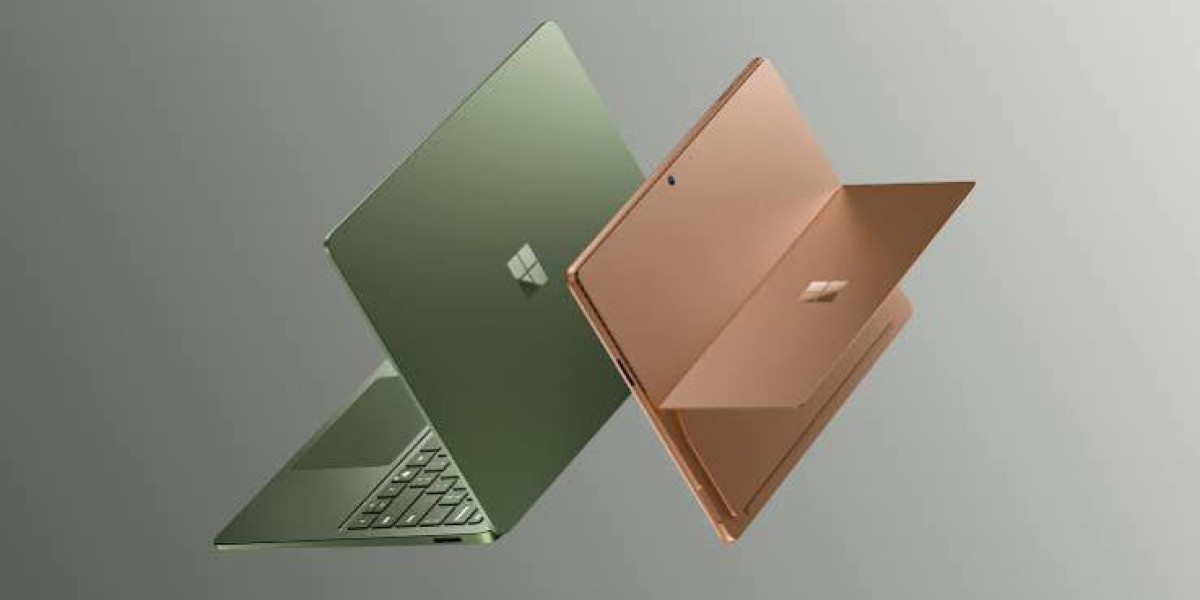

Microsoft Surface Pro: The Complete 2026 Buyer's Guide
Introduction
Few devices have shaped the modern 2-in-1 category quite like the Microsoft Surface Pro. Since its debut, it has tried to answer a deceptively simple question: can one machine truly replace both your laptop and your tablet? With the 2026 lineup, Microsoft has pushed that idea further than ever, pairing a redesigned chip lineup with sharper displays and business-grade connectivity.
In this guide, you'll learn exactly what's new in the latest Surface Pro, how it stacks up against workstation-class machines like the Lenovo ThinkPad P16 Gen 2, and how it compares to sleek ultrabook alternatives such as the Samsung Galaxy Book5 Pro. Whether you're a student, a creative professional, or a business buyer trying to justify the price tag, this article breaks down everything you need before you spend your money.
What's New in the 2026 Surface Pro Lineup
Microsoft split its 2026 Surface Pro rollout into two waves. The first wave, aimed at business customers, launched in spring 2026 with Intel Core Ultra chips and only modest design tweaks over the previous generation. The second wave arrived in June 2026 with the consumer-focused Surface Pro 13-inch (12th Edition), powered by Qualcomm's new Snapdragon X2 chips.
This 12-core processor is a substantial leap over the previous Snapdragon X Elite, and Microsoft says it delivers meaningfully higher overall performance. The built-in Hexagon NPU also jumps to 80 TOPS of AI processing power, nearly double the previous model's capability, which translates into snappier on-device AI features like Copilot, live captioning, and image generation.
Key specs of the 2026 Surface Pro 13-inch include:
Processor: Snapdragon X2 Plus or Snapdragon X2 Elite
Display: 13-inch PixelSense touchscreen, 2880 x 1920 resolution, 120Hz refresh rate, with an optional OLED panel
Memory: Up to 64GB of RAM
Storage: Removable SSD, a rare and welcome feature for a tablet-style device
Connectivity: Wi-Fi 7, optional 5G, Thunderbolt 4/USB4
Pen and Touch: Updated Surface Slim Pen with new haptic feedback support
There's also a business-oriented Surface Pro variant running Intel's newer Core Ultra chips with Intel Xe3 graphics, a 3:2 IPS touchscreen, and the same 120Hz refresh rate, aimed at organizations that prefer x86 compatibility over the ARM-based Snapdragon models.
One notable shift: pricing has climbed. The new consumer Surface Pro starts at $1,499, up from the previous generation's $999 starting price. Microsoft has attributed part of that increase to ongoing memory and component shortages affecting the wider industry, not just its own product line.
Design and Display: Still the Category Benchmark
The Surface Pro's signature kickstand-and-keyboard design remains one of its biggest selling points. It transforms from a slim tablet into a fully functional laptop in seconds, and the build quality continues to earn praise for its portability and premium feel. The 3:2 aspect ratio display is taller than typical 16:9 laptop screens, which makes a real difference for reading documents, browsing the web, or sketching in portrait orientation.
The optional OLED PixelSense display is a meaningful upgrade for anyone who spends hours looking at the screen, offering richer contrast and more vibrant colors than the standard IPS panel. Combined with Gorilla Glass 5 protection and pen support, the Surface Pro continues to appeal strongly to digital artists, note-takers, and hybrid workers who move between typing and touch input throughout the day.
Performance: Where the Surface Pro Fits
It's worth setting expectations correctly. The Surface Pro line has increasingly positioned itself as a premium productivity and creativity tool rather than a raw performance machine that role has shifted to Microsoft's Surface Laptop lineup. Even so, the Snapdragon X2 Elite chip represents a significant leap in performance, and Microsoft claims it can outperform Apple's M4 chip on several common benchmarks, putting it in a competitive position against the current generation of ARM-based ultraportables.
For everyday multitasking, web browsing, video calls, and Office workloads, the Surface Pro handles itself well. But for anyone doing sustained video rendering, CAD work, or 3D modeling, it's simply not built for that kind of sustained heavy lifting and that's exactly where a machine like the Lenovo ThinkPad P16 Gen 2 enters the conversation.







